marina tabassum brings flood-resilient housing and civic architecture to TOTO GALLERY·MA
TOTO Gallery·MA Traces Marina Tabassum Architects’ innovations
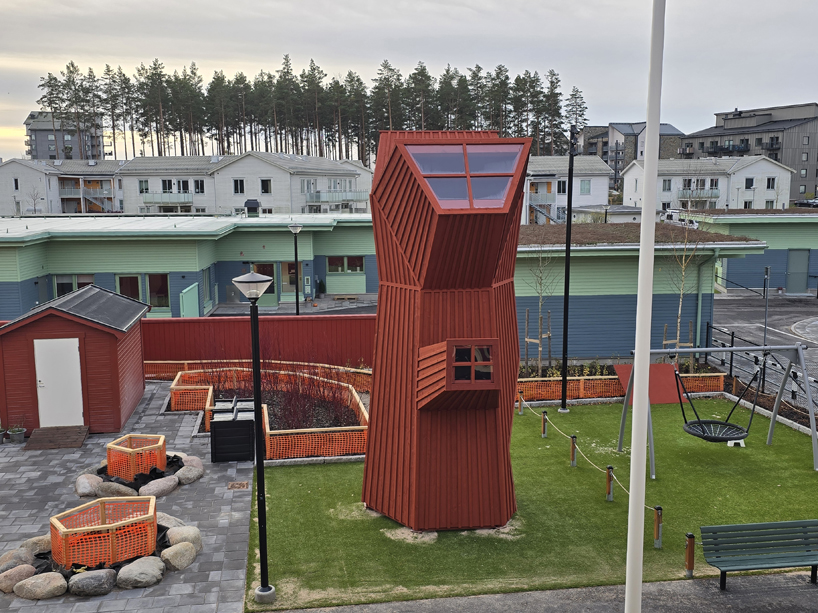
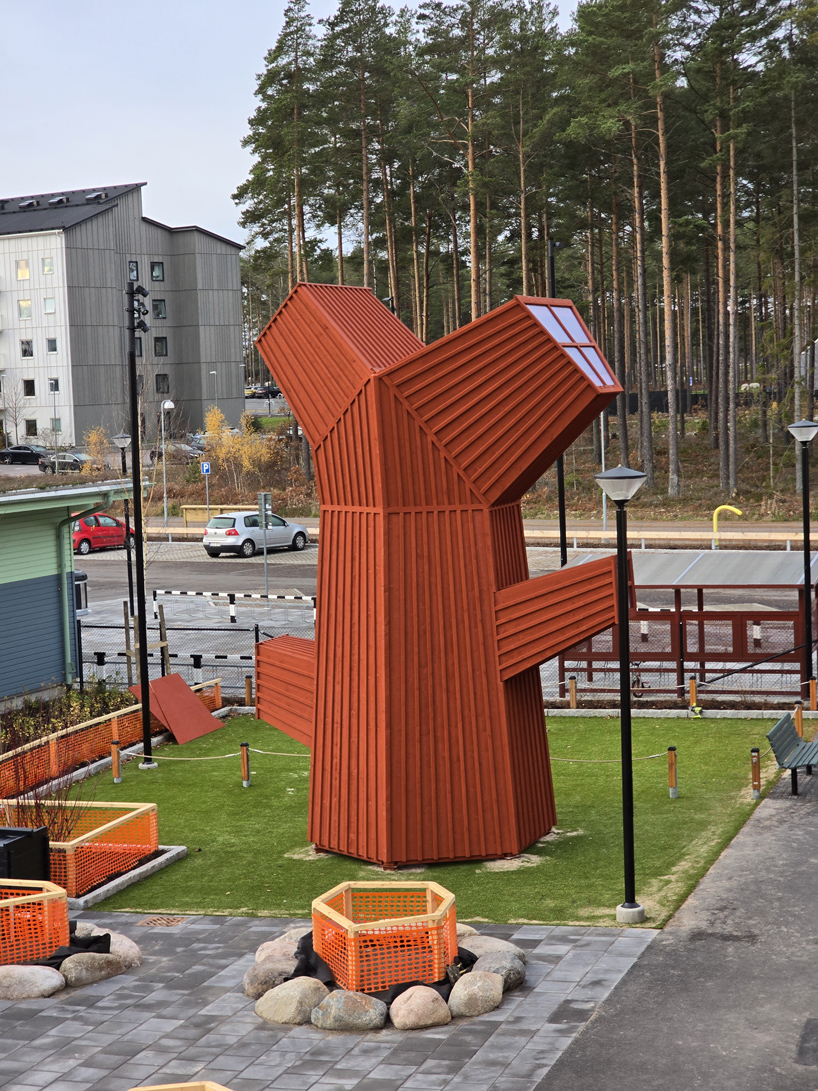
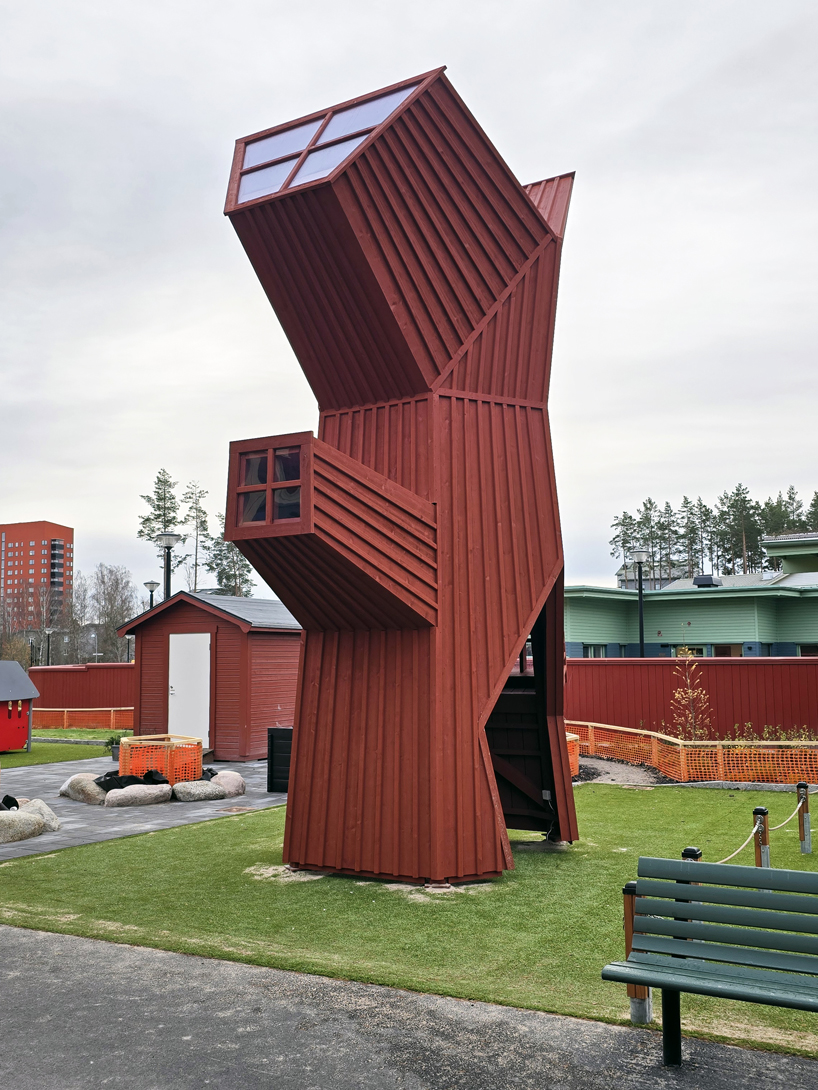
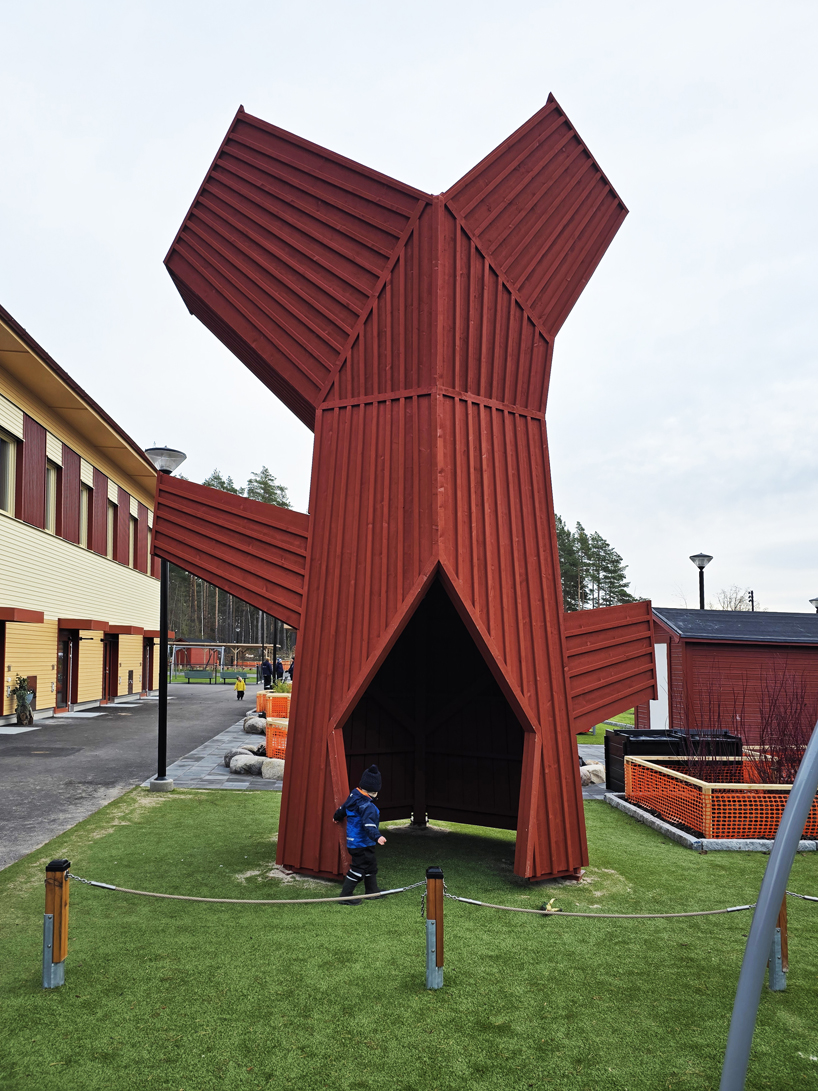
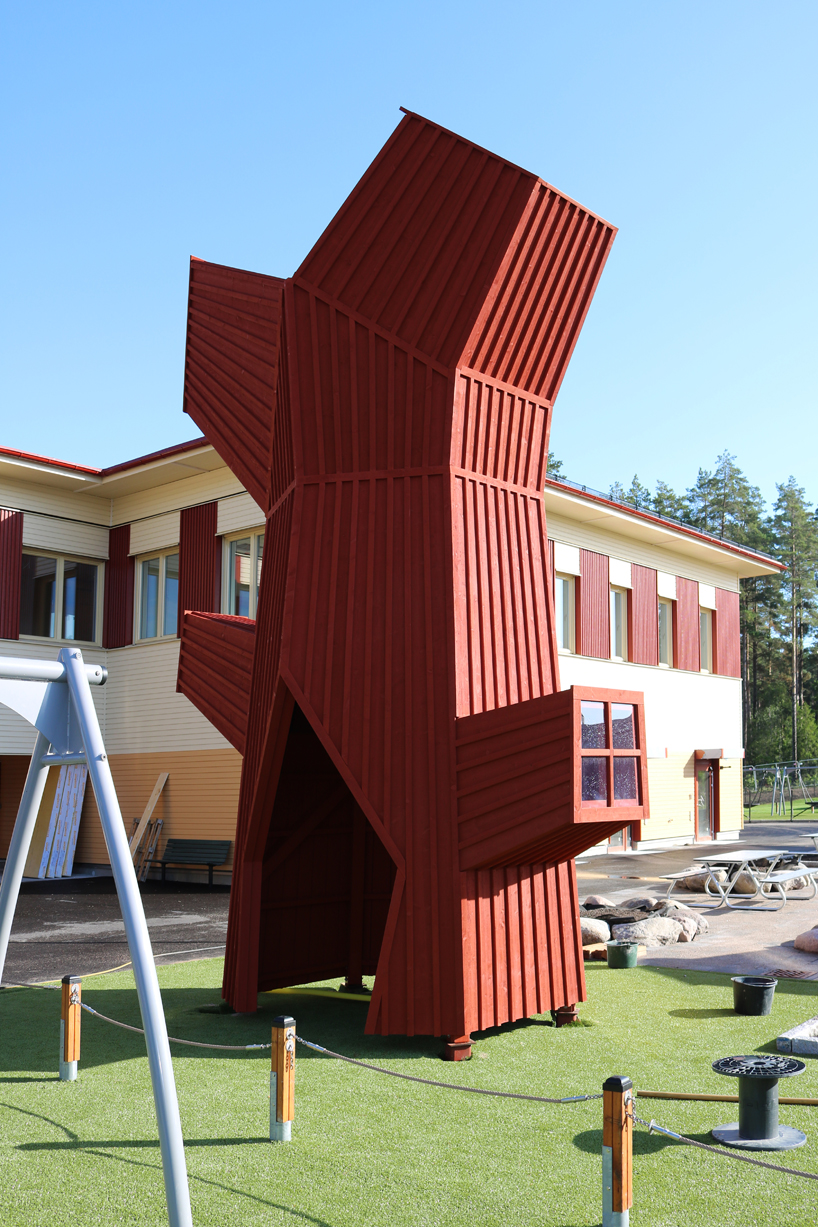
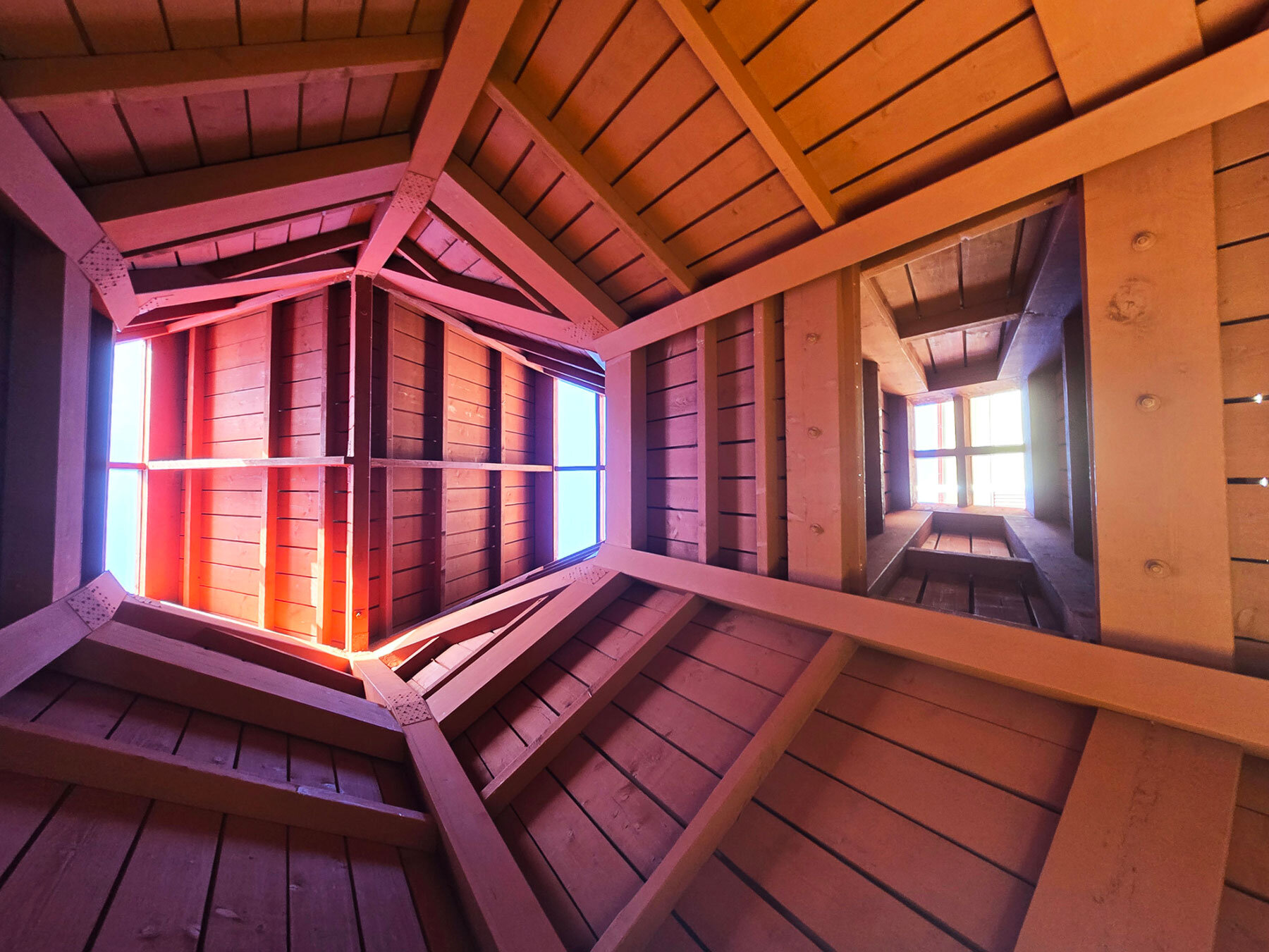
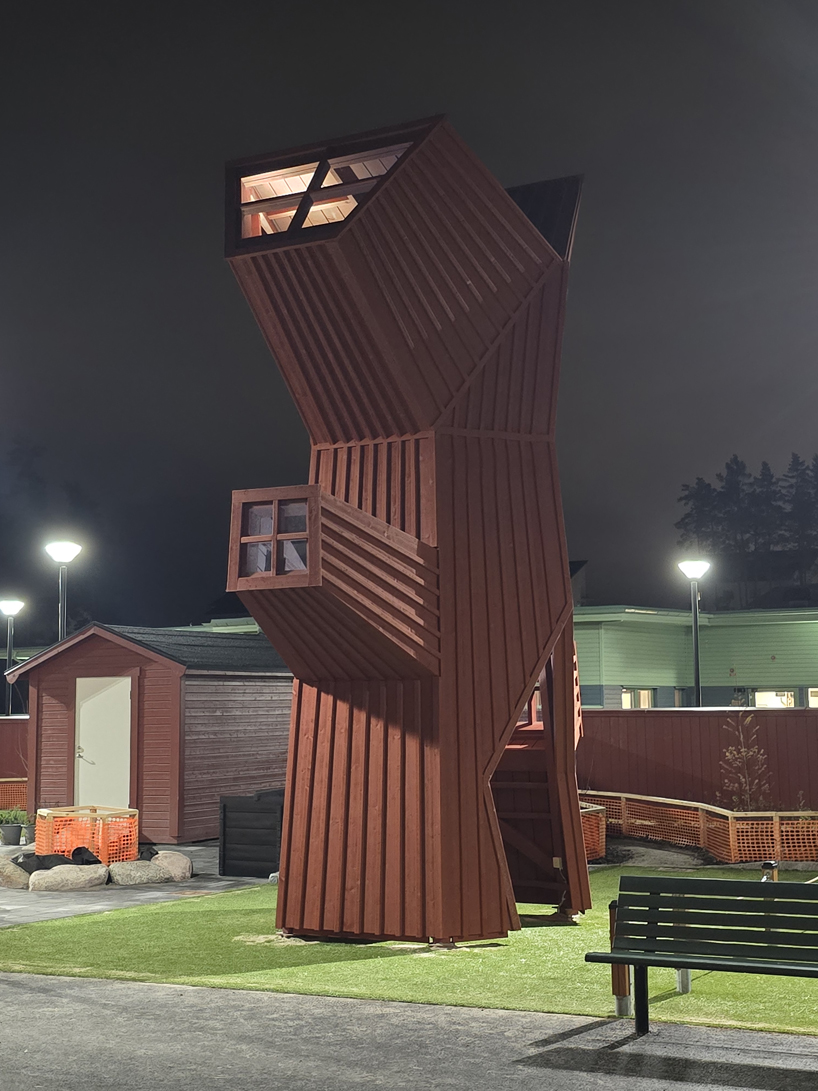
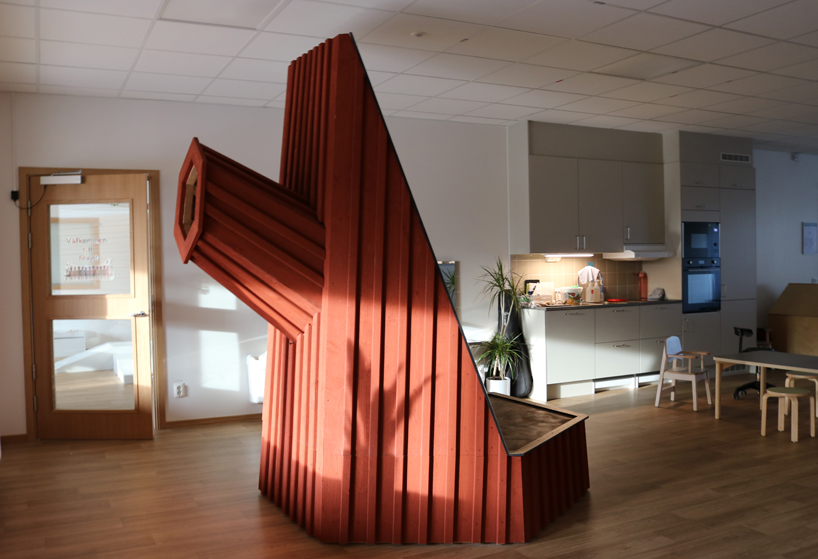
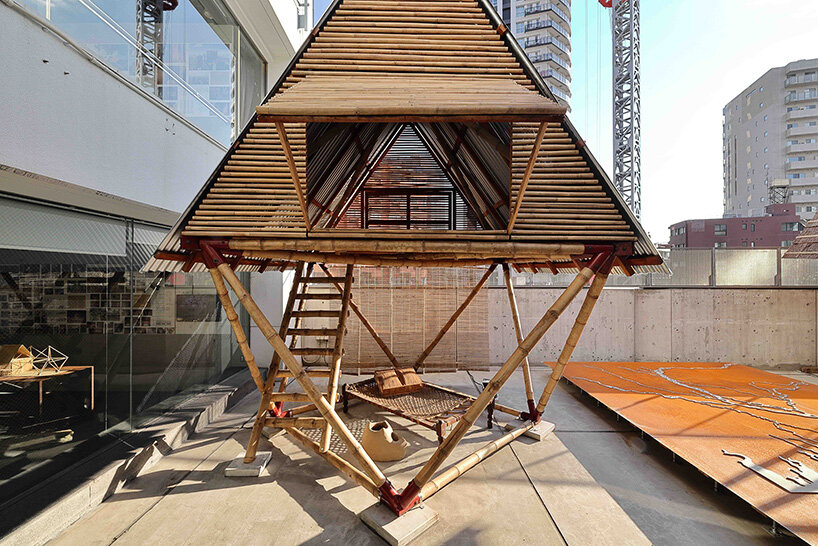
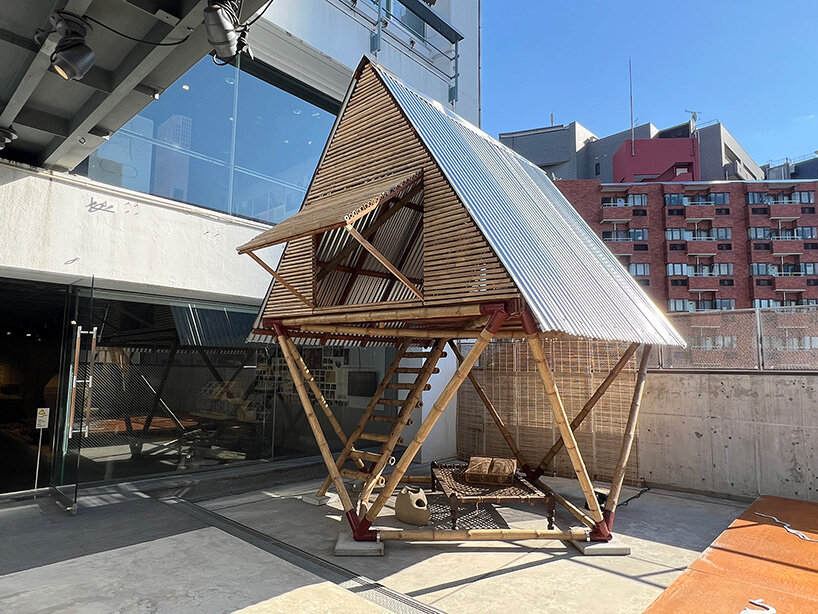
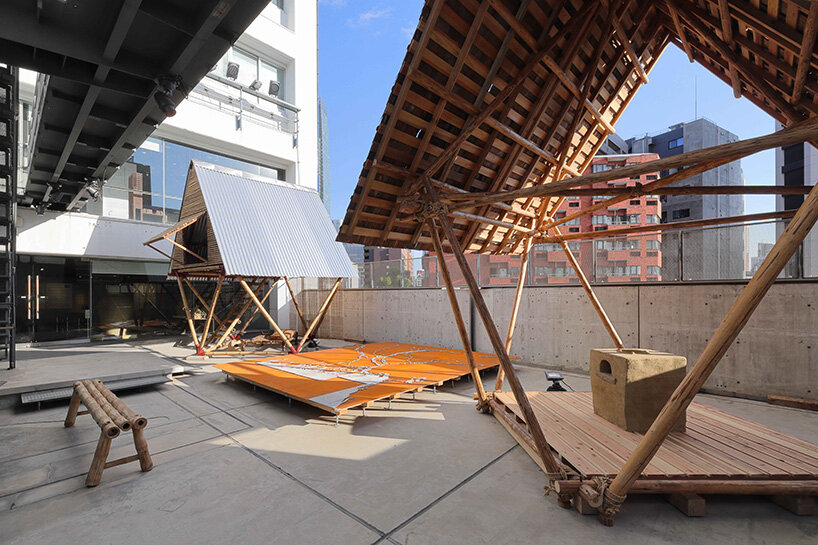
TOTO Gallery·MA hosts People Place Poiesis, an exhibition that traces how Marina Tabassum Architects (MTA) reshapes architecture in Bangladesh through climate-attuned design, community agency, and lightweight systems built for a rapidly changing world. On view until February 15th, 2026, the show spans two floors and extends into the courtyard with a full-scale Khudi Bari, MTA’s now-seminal flood-resilient housing prototype, installed alongside a newly developed Japan-specific version built with architect Kazuya Morita and students from Kyoto Prefectural University. Previously presented in Munich and Lisbon, this Tokyo edition sharpens the spatial contrasts of the exhibition, placing rural, urban, and transnational responses in close conversation.
images courtesy of TOTO GALLERY·MA, unless stated otherwise
A Journey Through Climate-Responsive Architecture
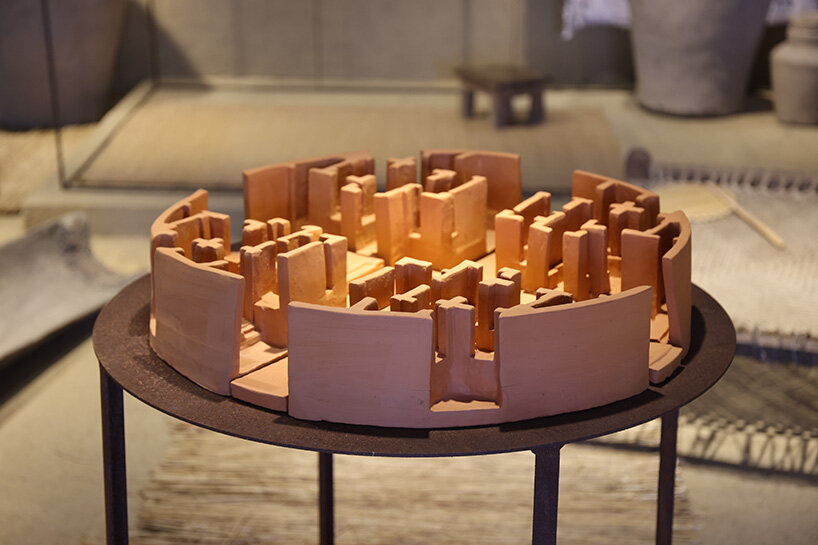
Visitors enter through a landscape of Marina Tabassum Architects’s work rooted in the riverine and agricultural regions of Bangladesh, a context where roughly one-third of the land can be submerged by seasonal flooding. Photographs, videos, and models, some originally shown at the 2018 Venice Architecture Biennale, outline the spatial, environmental, and social challenges shaping everyday life outside Dhaka.
The upper floor shifts toward Dhaka’s dense neighborhoods, spotlighting MTA’s civic and community-oriented buildings. Community centers, mosques, and public spaces illustrate how the practice uses geometry, brick, and ventilation strategies to create openness without mechanical cooling. The acclaimed Bait Ur Rouf Mosque, built from locally fired bricks and conceived as a serene, breezy sanctuary, becomes a key reference point. A model of the 2025 Serpentine Pavilion adds another layer, showing how MTA translates its climate-responsive principles into a global context.
TOTO Gallery·MA hosts People Place Poiesis | image © designboom
khudi bari: mobility, empowerment, and translocal adaptation
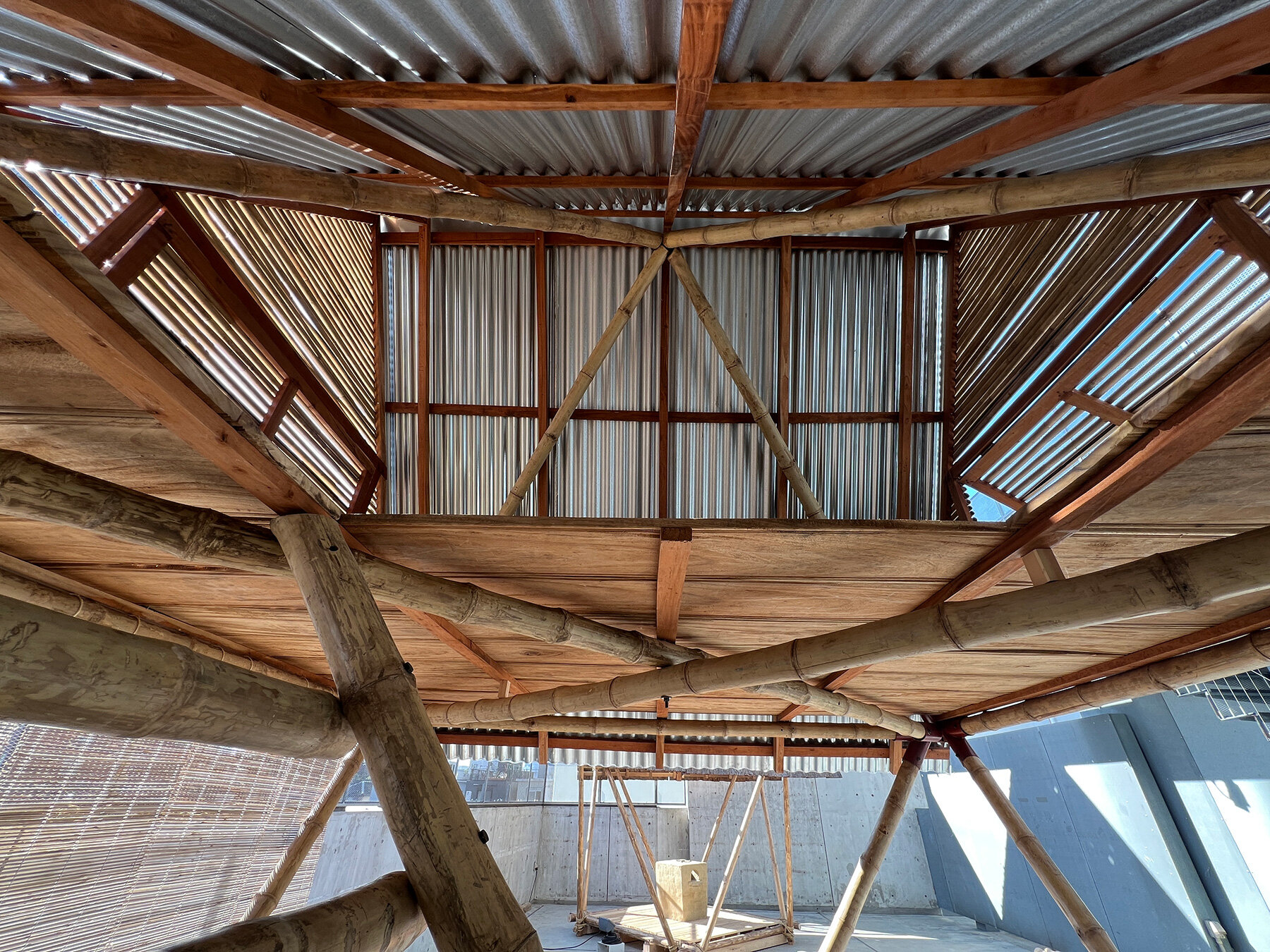
Anchoring the exhibition is Khudi Bari, the compact, easily assembled shelter designed for people displaced by flooding or forced migration. Built from lightweight components that local communities can erect and dismantle themselves, the structure doubles as emergency relief and everyday dwelling. Through F.A.C.E. (Foundation for Architecture and Community Equity), Tabassum’s team deploys these units across Bangladesh and adapts them into larger configurations, including a community center within the Rohingya refugee camps.
At Gallery·MA, the original Bangladeshi Khudi Bari stands in dialogue with a ‘Japanese version,’ constructed with local materials and techniques in collaboration with Morita’s laboratory. The pairing highlights how a design born from Bangladesh’s deltaic conditions can be reinterpreted within Japan’s satoyama landscapes.
tracing how Marina Tabassum Architects reshapes architecture in Bangladesh
the show spans two floors and extends into the courtyard | image © designboom

this Tokyo edition sharpens the spatial contrasts of the exhibition
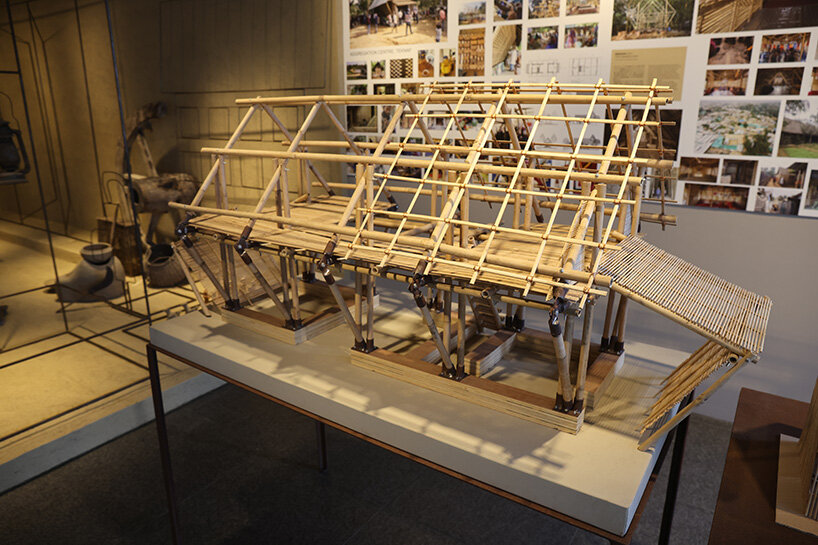
Aggregation Center model | image © designboom
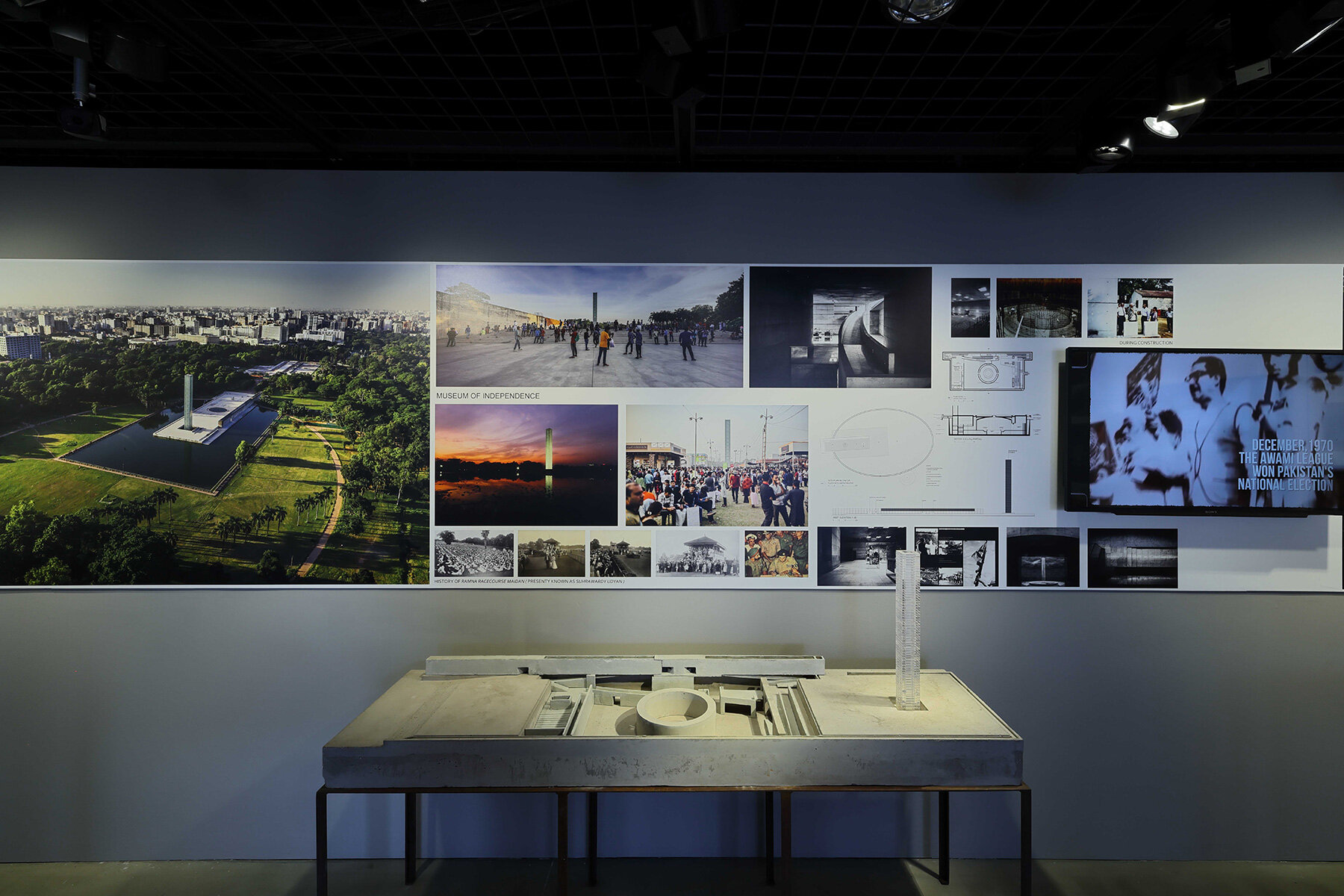
Museum of Independence model
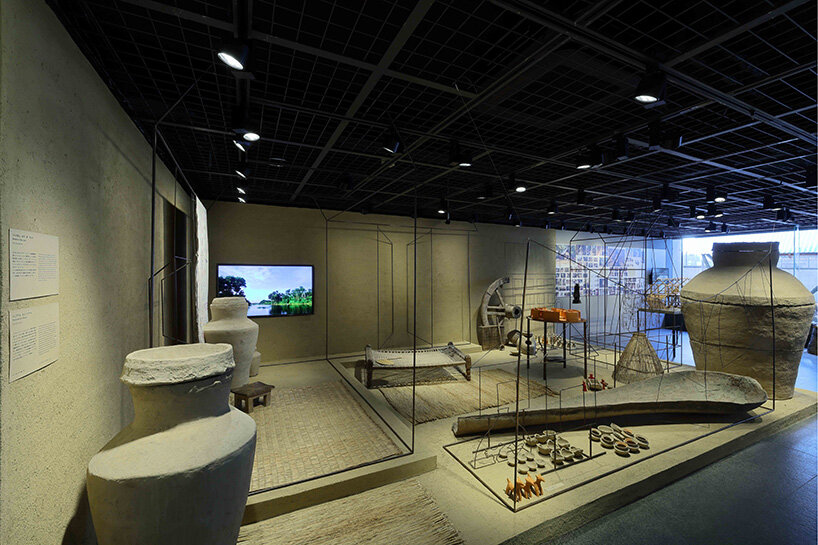
placing rural, urban, and transnational responses in close conversation
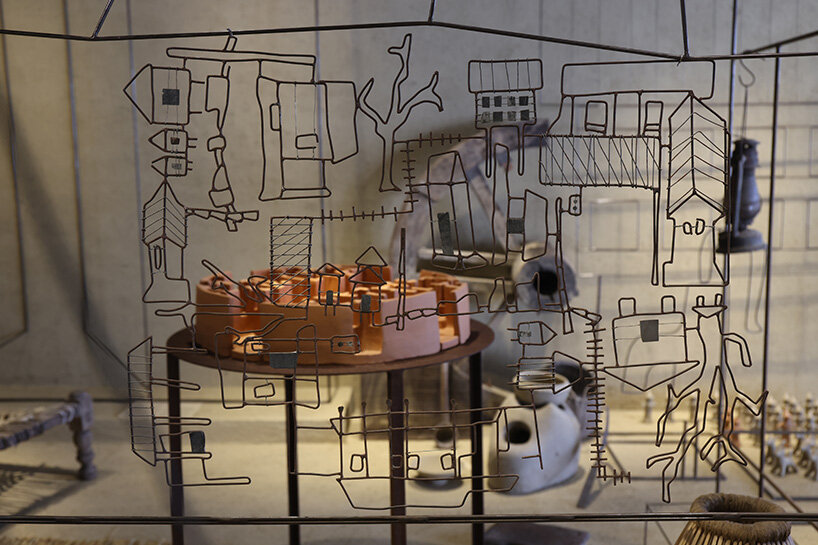
outlining the spatial, environmental, and social challenges shaping everyday life outside Dhaka | image © designboom
the upper floor shifts toward Dhaka’s dense neighborhoods | image © designboom
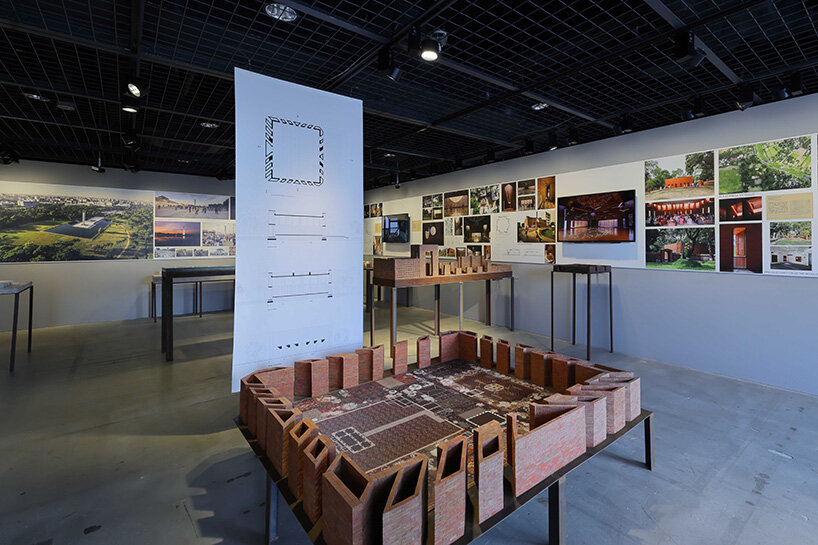
spotlighting MTA’s civic and community-oriented buildings
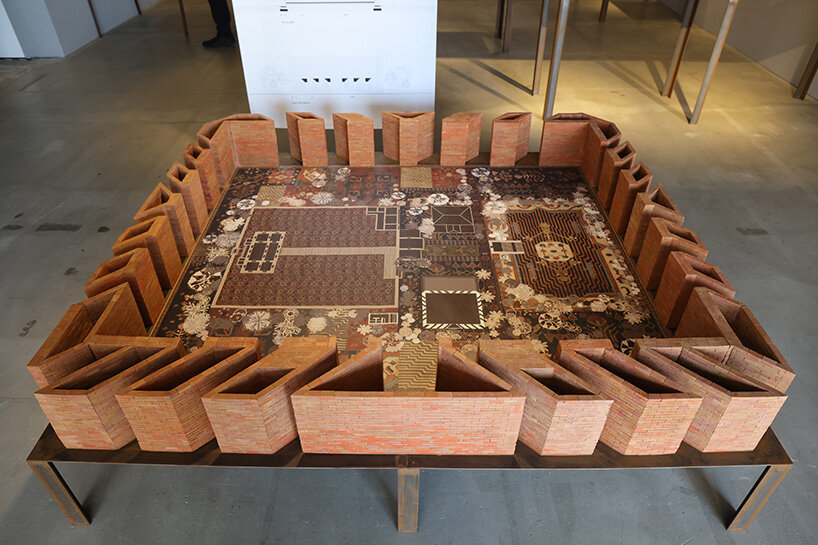
Alfadanga Mosque model | image © designboom
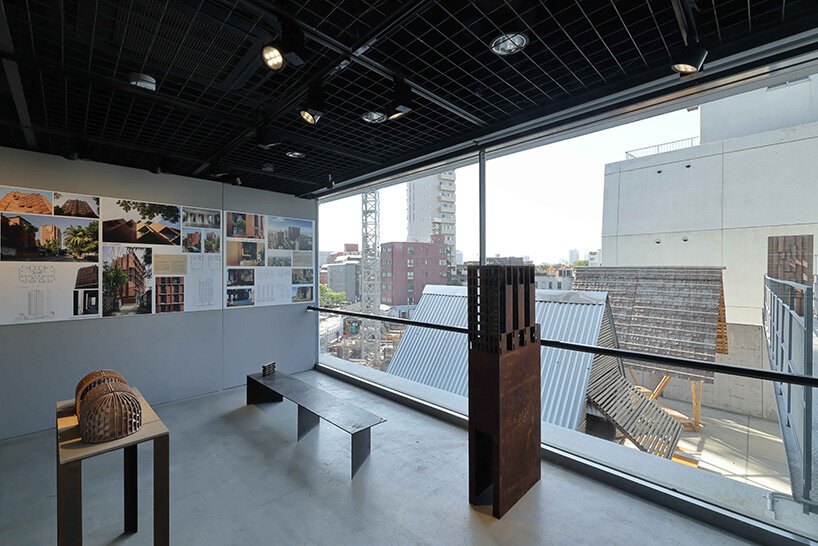
showing how MTA translates its climate-responsive principles into a global context
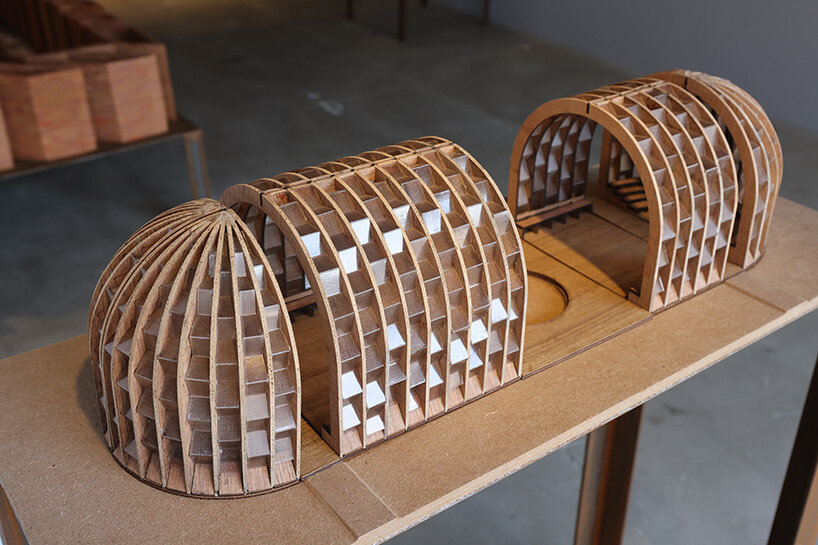
A Capsule in Time, Serpentine Pavilion 2025 model | image © designboom
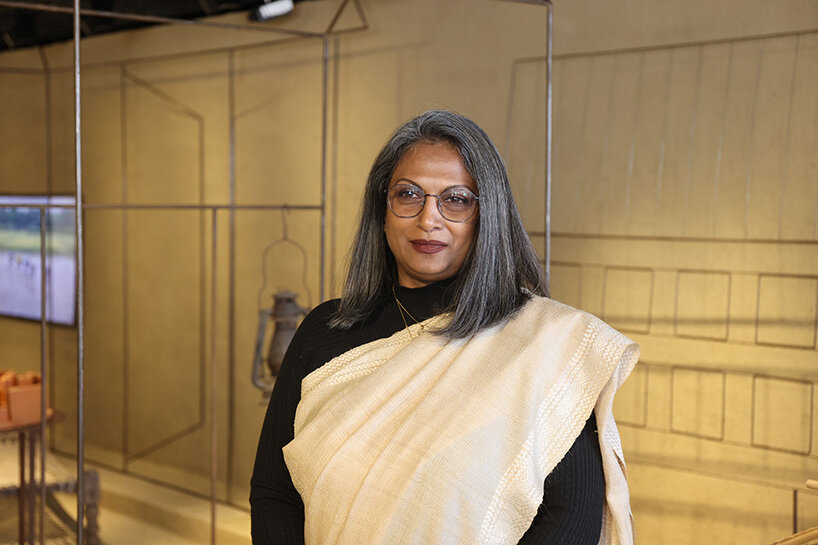
Marina Tabassum at the exhibition opening | image © designboom
project info:
name: Marina Tabassum Architects: People Place Poiesis
architect: Marina Tabassum Architects (MTA) | @marinatabassum
dates: November 21, 2025 – February 15, 2026
location: TOTO GALLERY·MA, Tokyo, Japan
special advisor: Tadao Ando
support: Tokyo Society of Architects & Building Engineers, Japan Institute of Architects Kanto-Koshinetsu Chapter, Architectural Institute of Japan Kanto Chapter, and others
cooperation: Kazuya Morita Laboratory, Kyoto Prefectural University
The post marina tabassum brings flood-resilient housing and civic architecture to TOTO GALLERY·MA appeared first on designboom | architecture & design magazine.